
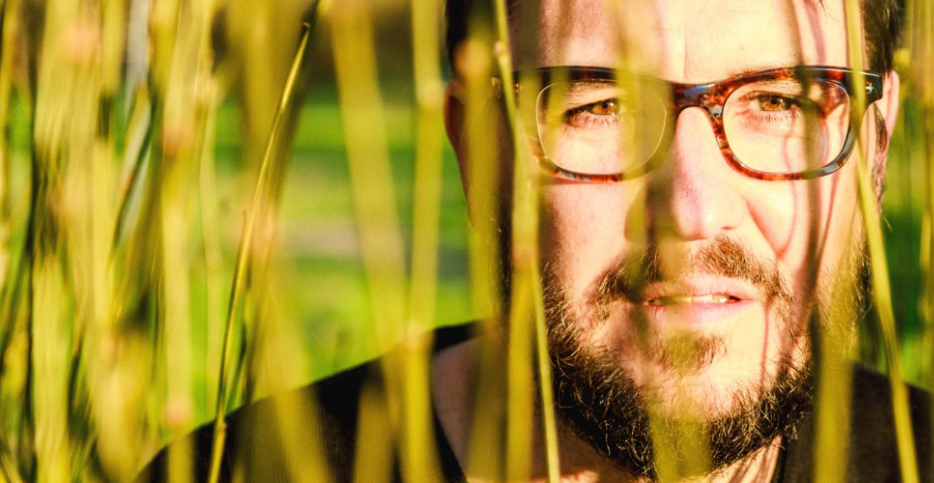
I’m about to go speak to NAMI Ohio’s statewide conference, Fulfilling the Promise. These are the remarks I prepared for my speech.
Before I begin, I want to warn you that this talk touches on many triggering subjects, including self-harm and suicide. I also want you to know that I’m speaking from my personal experience, and that if you or someone you know may be living with mental illness, please talk to a licensed and qualified medical professional, because I am not a doctor.
Okay, let’s do this.
Hi, I’m Wil Wheaton. I’m 45 years-old, I have a wonderful wife, two adult children who make me proud every day, and a daughter in-law who I love like she’s my own child. I work on the most popular comedy series in the world, I’ve been a New York Times Number One Bestselling Audiobook narrator, I have run out of space in my office for the awards I’ve received for my work, and as a white, heterosexual, cisgender man in America, I live life on the lowest difficulty setting – with the Celebrity cheat enabled.
My life is, by every objective measurement, very very good.
And in spite of all of that, I struggle every day with my self esteem, my self worth, and my value not only as an actor and writer, but as a human being.
That’s because I live with Depression and Anxiety, the tag team champions of the World Wrestling With Mental Illness Federation.
And I’m not ashamed to stand here, in front of six hundred people in this room, and millions more online, and proudly say that I live with mental illness, and that’s okay. I say “with” because even though my mental illness tries its best, it doesn’t control me, it doesn’t define me, and I refuse to be stigmatized by it.
So. My name is Wil Wheaton, and I have Chronic Depression.
It took me over thirty years to be able to say those ten words, and I suffered for most of them as a result. I suffered because though we in America have done a lot to help people who live with mental illness, we have not done nearly enough to make it okay for our fellow travelers on the wonky brain express to reach out and accept that help.
I’m here today to talk with you about working to end the stigma and prejudice that surrounds mental illness in America, and as part of that, I want to share my story with you.
When I was a little kid, probably seven or eight years old, I started having panic attacks. Back then, we didn’t know that’s what they were, and because they usually happened when I was asleep, the adults in my life just thought I had nightmares. Well, I did have nightmares, but they were so much worse than just bad dreams. Night after night, I’d wake up in absolute terror, and night after night, I’d drag my blankets off my bed, to go to sleep on the floor in my sister’s bedroom, because I was so afraid to be alone.
There were occasional stretches of relief, sometimes for months at a time, and during those months, I felt like what I considered to be a normal kid, but the panic attacks always came back, and each time they came back, they seemed worse than before.
When I was around twelve or thirteen, my anxiety began to express itself in all sorts of delightful ways.
I worried about everything. I was tired all the time, and irritable most of the time. I had no confidence and terrible self-esteem. I felt like I couldn’t trust anyone who wanted to be close to me, because I was convinced that I was stupid and worthless and the only reason anyone would want to be my friend was to take advantage of my fame.
This is important context. When I was thirteen, I was in an internationally-beloved film called Stand by Me, and I was famous. Like, really famous, like, can’t-go-to-the-mall-with-my-friends-without-getting-mobbed famous, and that meant that all of my actions were scrutinized by my parents, my peers, my fans, and the press. All the weird, anxious feelings I had all the time? I’d been raised to believe that they were shameful. That they reflected poorly on my parents and my family. That they should be crammed down deep inside me, shared with nobody, and kept secret.
My panic attacks happened daily, and not just when I was asleep. When I tried to reach out to the adults in my life for help, they didn’t take me seriously. When I was on the set of a tv show or commercial, and I was having a hard time breathing because I was so anxious about making a mistake and getting fired? The directors and producers complained to my parents that I was being difficult to work with. When I was so uncomfortable with my haircut or my crooked teeth and didn’t want to pose for teen magazine photos, the publicists told me that I was being ungrateful and trying to sabotage my success. When I couldn’t remember my lines, because I was so anxious about things I can’t even remember now, directors would accuse me of being unprofessional and unprepared. And that’s when my anxiety turned into depression.
(I’m going to take a moment for myself right now, and I’m going to tear a hole in the fabric of spacetime and I’m going to tell all those adults from the past: give this kid a break. He’s scared. He’s confused. He is doing the best he can, and if you all could stop seeing him as a way to put money into your pockets, maybe you could see that he’s suffering and needs help.)
I was miserable a lot of the time, and it didn’t make any sense. I was living a childhood dream, working on Star Trek: The Next Generation, and getting paid to do what I loved. I had all the video games and board games I ever wanted, and did I mention that I was famous?
I struggled to reconcile the facts of my life with the reality of my existence. I knew something was wrong with me, but I didn’t know what. And because I didn’t know what, I didn’t know how to ask for help.
I wish I had known that I had a mental illness that could be treated! I wish I had known that that the way I felt wasn’t normal and it wasn’t necessary. I wish I had known that I didn’t deserve to feel bad, all the time.
And I didn’t know those things, because Mental Illness was something my family didn’t talk about, and when they did, they talked about it like it was something that happened to someone else, and that it was something they should be ashamed of, because it was a result of something they did. This prejudice existed in my family in spite of the ample incidence of mental illness that ran rampant through my DNA, featuring successful and unsuccessful suicide attempts by my relations, more than one case of bipolar disorder, clinical depression everywhere, and, because of self-medication, so much alcoholism, it was actually notable when someone didn’t have a drinking problem.
Now, I don’t blame my parents for how they addressed – or more accurately didn’t address – my mental illness, because I genuinely believe they were blind to the symptoms I was exhibiting. They grew up and raised me in the world I’ve spent the last decade of my life trying to change. They lived in a world where mental illness was equated with weakness, and shame, and as a result, I suffered until I was in my thirties.
And it’s not like I never reached out for help. I did! I just didn’t know what questions to ask, and the adults I was close to didn’t know what answers to give.
I clearly remember being twenty-two, living in my own house, waking up from a panic attack that was so terrifying just writing about it for this talk gave me so much anxiety I almost cut this section from my speech. It was the middle of the night, and I drove across town, to my parents’ house, to sleep on the floor of my sister’s bedroom again, because at least that’s where I felt safe. The next morning, I tearfully asked my mom what was wrong with me. She knew that many of my blood relatives had mental illness, but she couldn’t or wouldn’t connect the dots. “You’re just realizing that the world is a scary place,” she said.
Yeah, no kidding. The world terrifies me every night of my life and I don’t know why or how to stop it.
Again, I don’t blame her and neither should you. She really was doing the best that she could for me, but stigma and the shame is inspires are powerful things.
I want to be very clear on this: Mom, I know you’re going to read this or hear this and I know it’s going to make you upset. I want you to know that I love you, and I know that you did the very best you could. I’m telling my story, though, so someone else’s mom can see the things you didn’t, through no fault of your own.
Through my twenties, I continued to suffer, and not just from nightmares and panic attacks. I began to develop obsessive behaviors that I’ve never talked about in public until right now. Here’s a very incomplete list: I began to worry that the things I did would affect the world around me in totally irrational ways. I would hold my breath underneath bridges when I was driving, because if I didn’t, maybe I’d crash my car. I would tap the side of an airplane with my hand while I was boarding, and tell it to take care of me when I flew places for work, because I was convinced that if I didn’t, the plane would crash. Every single time I said goodbye to someone I cared about, my brain would play out in vivid detail how I would remember this as the last time I saw them. Talking about those memories, even without getting into specifics, is challenging. It’s painful to recall, but I’m not ashamed, because all those thoughts – which I thankfully don’t have any more, thanks to medical science and therapy – were not my fault any more than the allergies that clog my sinuses when the trees in my neighborhood start doin’ it every spring are my fault. It’s just part of who I am. It’s part of how my brain is wired, and because I know that, I can medically treat it, instead of being a victim of it.
One of the primary reasons I speak out about my mental illness, is so that I can make the difference in someone’s life that I wish had been made in mine when I was young, because not only did I have no idea what Depression even was until I was in my twenties, once I was pretty sure that I had it, I suffered with it for another fifteen years, because I was ashamed, I was embarrassed, and I was afraid.
So I am here today to tell anyone who can hear me: if you suspect that you have a mental illness, there is no reason to be ashamed, or embarrassed, and most importantly, you do not need to be afraid. You do not need to suffer. There is nothing noble in suffering, and there is nothing shameful or weak in asking for help. This may seem really obvious to a lot of you, but it wasn’t for me, and I’m a pretty smart guy, so I’m going to say it anyway: There is no reason to feel embarrassed when you reach out to a professional for help, because the person you are reaching out to is someone who has literally dedicated their life to helping people like us live, instead of merely exist.
That difference, between existing and living, is something I want to focus on for a minute: before I got help for my anxiety and depression, I didn’t truly live my life. I wanted to go do things with my friends, but my anxiety always found a way to stop me. Traffic would just be too stressful, it would tell me. It’s going to be a real hassle to get there and find parking, it would helpfully observe. And if those didn’t stop me from leaving my house, there was always the old reliable: What if…? Ah, “What if… something totally unlikely to happen actually happens? What if the plane crashes? What if I sit next to someone who freaks me out? What if they laugh at me? What if I get lost? What if I get robbed? What if I get locked out of my hotel room? What if I slip on some ice I didn’t see? What if there’s an earthquake? What if what if what if what if…
When I look back on most of my life, it breaks my heart that when my brain was unloading an endless pile of what ifs on me, it never asked, “What if I go do this thing that I want to do, and it’s … fun? What if I enjoy myself, and I’m really glad I went?”
I have to tell you a painful truth: I missed out on a lot of things, during what are supposed to be the best years of my life, because I was paralyzed by What If-ing anxiety.
All the things that people do when they are living their lives … all those experiences that make up a life, my anxiety got in between me and doing them. So I wasn’t living. I was just existing.
And through it all, I never stopped to ask myself if this was normal, or healthy, or even if it was my fault. I just knew that I was nervous about stuff, and I worried a lot. For my entire childhood, my mom told me that I was a worry wart, and my dad said I was overly dramatic about everything, and that’s just the way it was.
Except it didn’t have to be that way, and it took me having a full blown panic attack and a complete meltdown at Los Angeles International Airport for my wife to suggest to me that I get help.
Like I said, I had suspected for years that I was clinically depressed, but I was afraid to admit it, until the most important person in my life told me without shame or judgment that she could see that I was suffering. So I went to see a doctor, and I will never forget what he said, when I told him how afraid I was: “Please let me help you.”
I think it was then, at about 34 years-old, that I realized that Mental Illness is not weakness. It’s just an illness. I mean, it’s right there in the name “Mental ILLNESS” so it shouldn’t have been the revelation that it was, but when the part of our bodies that is responsible for how we perceive the world and ourselves is the same part of our body that is sick, it can be difficult to find objectivity or perspective.
So I let my doctor help me. I started a low dose of an antidepressant, and I waited to see if anything was going to change.
And boy did it.
My wife and I were having a walk in our neighborhood and I realized that it was just a really beautiful day – it was warm with just a little bit of a breeze, the birds sounded really beautiful, the flowers smelled really great and my wife’s hand felt really good in mine.
And as we were walking I just started to cry and she asked me, “what’s wrong?”
I said “I just realized that I don’t feel bad and I just realized that I’m not existing, I’m living.”
At that moment, I realized that I had lived my life in a room that was so loud, all I could do every day was deal with how loud it was. But with the help of my wife, my doctor, and medical science, I found a doorway out of that room.
I had taken that walk with my wife almost every day for nearly ten years, before I ever noticed the birds or the flowers, or how loved I felt when I noticed that her hand was holding mine. Ten years – all of my twenties – that I can never get back. Ten years of suffering and feeling weak and worthless and afraid all the time, because of the stigma that surrounds mental illness.
I’m not religious, but I can still say Thank God for Anne Wheaton. Thank God for her love and support. Thank God that my wife saw that I was hurting, and thank God she didn’t believe the lie that Depression is weakness, or something to be ashamed of. Thank God for Anne, because if she hadn’t had the strength to encourage me to seek professional help, I don’t know how much longer I would have been able to even exist, to say nothing of truly living.
I started talking in public about my mental illness in 2012, and ever since then, people reach out to me online every day, and they ask me about living with depression and anxiety. They share their stories, and ask me how I get through a bad day, or a bad week.
Here’s one of the things I tell them:
One of the many delightful things about having Depression and Anxiety is occasionally and unexpectedly feeling like the whole goddamn world is a heavy lead blanket, like that thing they put on your chest at the dentist when you get x-rays, and it’s been dropped around your entire existence without your consent.
Physically, it weighs heavier on me in some places than it does in others. I feel it tugging at the corners of my eyes, and pressing down on the center of my chest. When it’s really bad, it can feel like one of those dreams where you try to move, but every step and every motion feels like you’re struggling to move through something heavy and viscous. Emotionally, it covers me completely, separating me from my motivation, my focus, and everything that brings me joy in my life.
When it drops that lead apron over us, we have to remind ourselves that one of the things Depression does, to keep itself strong and in charge, is tell us lies, like: I am the worst at everything. Nobody really likes me. I don’t deserve to be happy. This will never end. And so on and so on. We can know, in our rational minds, that this is a giant bunch of bullshit (and we can look at all these times in our lives when were WERE good at a thing, when we genuinely felt happy, when we felt awful but got through it, etc.) but in the moment, it can be a serious challenge to wait for Depression to lift the roadblock that’s keeping us from moving those facts from our rational mind to our emotional selves.
And that’s the thing about Depression: we can’t force it to go away. As I’ve said, if I could just “stop feeling sad” I WOULD. (And, also, Depression isn’t just feeling sad, right? It’s a lot of things together than can manifest themselves into something that is most easily simplified into “I feel sad.”)
So another step in our self care is to be gentle with ourselves. Depression is beating up on us already, and we don’t need to help it out. Give yourself permission to acknowledge that you’re feeling terrible (or bad, or whatever it is you are feeling), and then do a little thing, just one single thing, that you probably don’t feel like doing, and I PROMISE you it will help. Some of those things are:
Take a shower.
Eat a nutritious meal.
Take a walk outside (even if it’s literally to the corner and back).
Do something – throw a ball, play tug of war, give belly rubs – with a dog. Just about any activity with my dogs, even if it’s just a snuggle on the couch for a few minutes, helps me.
Do five minutes of yoga stretching.
Listen to a guided meditation and follow along as best as you can.
Finally, please trust me and know that this shitty, awful, overwhelming, terrible way you feel IS NOT FOREVER. It will get better. It always gets better. You are not alone in this fight, and you are OK.
Right now, there is a child somewhere who has the same panic attacks I had, and their parents aren’t getting them help, because they believe it reflects poorly on their parenting to have a child with mental illness. Right now, there is a teenager who is contemplating self harm, because they don’t know how to reach out and ask for help. Right now, there are too many people struggling just to get to the end of the day, because they can’t afford the help that a lot of us can’t live without. But there are also people everywhere who are picking up the phone and making an appointment. There are parents who have learned that mental illness is no different than physical illness, and they’re helping their children get better. There are adults who, like me, were terrified that antidepressant medication would make them a different person, and they’re hearing the birds sing for the first time, because they have finally found their way out of the dark room.
I spent the first thirty years of my life trapped in that dark, loud room, and I know how hopeless and suffocating it feels to be in there, so I do everything I can to help others find their way out. I do that by telling my story, so that my privilege and success does more than enrich my own life. I can live by example for someone else the way Jenny Lawson lives by example for me.
But I want to leave you today with some suggestions for things that we can all do, even if you’re not Internet Famous like I am, to help end the stigma of mental illness, so that nobody has to merely exist, when they could be living.
We can start by demanding that our elected officials fully fund mental health programs. No person anywhere, especially here in the richest country in the world, should live in the shadows or suffer alone, because they can’t afford treatment. We have all the money in the world for weapons and corporate tax cuts, so I know that we can afford to prioritize not just health care in general, but mental health care, specifically.
And until our elected officials get their acts together, we can support organizations like NAMI, that offer low and no-cost assistance to anyone who asks for it. We can support organizations like Project UROK, that work tirelessly to end stigmatization and remind us that we are sick, not weak.
We can remember, and we can remind each other, that there is no finish line when it comes to mental illness. It’s a journey, and sometimes we can see the path we’re on all the way to the horizon, while other times we can’t even see five feet in front of us because the fog is so thick. But the path is always there, and if we can’t locate it on our own, we have loved ones and doctors and medications to help us find it again, as long as we don’t give up trying to see it.
Finally, we who live with mental illness need to talk about it, because our friends and neighbors know us and trust us. It’s one thing for me to stand here and tell you that you’re not alone in this fight, but it’s something else entirely for you to prove it. We need to share our experiences, so someone who is suffering the way I was won’t feel weird or broken or ashamed or afraid to seek treatment. So that parents don’t feel like they have failed or somehow screwed up when they see symptoms in their kids.
People tell me that I’m brave for speaking out the way I do, and while I appreciate that, I don’t necessarily agree. Firefighters are brave. Single parents who work multiple jobs to take care of their kids are brave. The Parkland students are brave. People who reach out to get help for their mental illness are brave. I’m not brave. I’m just a writer and occasional actor who wants to share his privilege and good fortune with the world, who hopes to speak out about mental health so much that one day, it will be wholly unremarkable to stand up and say fifteen words:
My name is Wil Wheaton, I live with chronic depression, and I am not ashamed.
Thank you for listening to me, and please be kind to each other.
Discover more from WIL WHEATON dot NET
Subscribe to get the latest posts sent to your email.
Chuffing brilliant post. Delighted you found your way out of the noisy room.
I survived horrid anxiety and panic in my tween and teen years that no one really knew about except my parents (who really didn’t know what to do but they listened). Night time and sleeping was a nightmare, day after day. But you’re right—It does get better eventually. Thanks for sharing this honest, helpful post!
Excellent piece, Will! Thank you so much ❤
For years, my father told me that only “weak-willed, undisciplined women get depressed” (I was neither).
He has since discovered the error of his ways, but he made the shame & blame reach new heights for a long time.
Interestingly, the MDD and Anxiety team make sure that words once heard are NEVER forgotten.
Now I take things one day at a time… sometimes, one MINUTE at a time ❤
This is what the Industry Partners created in British Columbia, Canada
ANNOUNCING CALLTIME: MENTAL HEALTH
In a unique partnership, Teamsters 155, DGC BC, UBCP / ACTRA, IATSE 891 and ICG 669 have come together to tackle an issue of huge concern to our members: mental health and addiction in our industry.
Our members work together every day – and we’re working together on this too. Working together to provide information and access to the resources available to members and their families through union health and welfare benefit plans, as well as to shift the culture away from stigma in facing mental health and addiction challenges, to break down the barriers from using the services available. In short: we want to save lives.
Announcing the launch of the website for our campaign of support and empowerment:
CALLTIME: MENTAL HEALTH – No call time has ever been more important.
Click through to http://www.calltimementalhealth.com to find resources available to you and your family, as well as public resources and information for employers and supervisors. Access to these resources is strictly confidential – even the union staff have no way of knowing who takes advantage of the Employee and Family Assistance (EFAP) or Member and Family Assistance (MAP) plans.
Watch the We Can Help PSA, created by, and for, our friends and colleagues, and supported by industry vendors with generous donations of time, talent, equipment, and services: http://www.calltimementalhealth.com/we-can-help
Where do you fit in?
You are a crucial part of this campaign. Please check out the website and PSA, and help us spread the word. Tweet/instagram/facebook/tell your friends and coworkers!
Help us get the message out: We are here, and we can help.
#wecanhelpBC #calltimementalhealth
Thanks, Wil, and I mean that in the sincere way, and not the snarky way. You may have just convinced me that I’m mentally ill. If this is the case, you have also convinced me that I need to continue vomiting words in my blog, because even on the days that they make sense to me but I’m afraid they’re really mishmash – on one of those days, maybe they will make sense to someone else, too, and that person might feel a little stronger about doing what they do as themselves. A little more mishmash in the universe won’t hurt anything.
this is my story too, without the celebrity aspect. I cannot even go to the stores for food without anxiety. Even having a shower churns me up. Yet I have a good life over all. The doctors tell me it is something I have always suffered from because my father was a violent alcoholic and my system is on high alert, still, all these years later. Did I mention I am 65.
I have taken up painting which calms me and I love my dog which helps me keep going. But There are days I just don’t get up. I don’t want to see people. It is too hard to cope with all the games people play. I am an Australian so there are different barriers to overcome. But even though I knew the steps you mention for slef help, I just seem to not be able to do most of them. But I am going to try starting tomorrow.
Good luck Will. ( I remember you well from Star Trek, it is hard to imagine you as a grown man…with a daughter in law as well…time flies! )
I would love, love, love to see you, Maria Banford and two other artist of your choice on a panel discussing your art through the lense of people living with a mental illness. I think it would give great comfort to lots of folks.
That would be AMAZING!
Thank you for sharing this. I have struggled with depression and anxiety my entire life and managed to find a path to relative health. I grew complacent and the sickness in my brain has fully capitalized on my complacency. Right now, I am finding it harder to live than I have in the past 10 years and reading your words has really helped me to accept the truth. My illness is not well controlled and I need to adjust my treatment and fight back. Perhaps more important, I deserve to be well and no excuses my broken brain feeds me are worth considering. I am grateful to you and remain a lifelong fan.
If a fireman saves a life he/she ia a hero. If a police officer stops a criminal from hurting someone he/she is a hero. The man who stopped the Waffle House Shooter is a hero. People who save lives are heroes. Your story is Heroic and will save lives. I know the term Hero is not a word you want to hear, however, when you live a very public life and expose your personal life to help others people will listen. They will say if Wil Wheaton can live with, overcome depression/anxiety and be successful so can I! One of the hardest facts to overcome when dealing with depression is convincing your children life is good. How ” they” can be successful, happy and deserve as much love as life will give when you yourself, as a parent, cannot believe in the words or live your life! You have to walk the walk in teaching children not just say the words! There is a reason the flight attendant tells passengers to put on their own oxygen mask first before putting one on your child! The exact same effect applies to ones’ own life! Thank you for sharing and please never stop telling your story! You have helped me tremendously! Bless you and your family!
Thanks for sharing this. While my anxiety issues are not as debilitating as yours have been, there are too many times when I’ve backed out of events or bailed on friends because of the ‘what ifs’. There have been many times in my life when I’ve given myself pep talks in the mirror just to get out the door. These days I’m making sure to make the bed as soon as I get up in order to ensure that I’ve accomplished at least one thing every day. Medication, meditation, and counseling have all helped at different times. Writing helps, too.
Keep fighting the good fight. You are definitely not alone.
So much this. SOOOOOOOOOO much. I battle those tag team champs myself. My parents (especially my mom) felt the same as so many parents of that generation. My brother (God rest his soul) and I both struggled. But we were open to getting help and naming our demons and saying, “I’m not afraid anymore.” Bless you!
This is really beautiful Wil. Thank you for continuing to speak out and sharing your story.
This post reaches me at the perfect time. I’ve lived with chronic anxiety for most of my life. I’ve had counseling and psychology sessions of and on since college and have taken anti anxiety meds for most of a decade. I’ve had to stop taking them for the past several months—temporarily due to unrelated medical treatments—and I’ve started to experience the anxiety, and even some depression, again. I will hopefully be getting back on them again soon, but until then, your post helps give me badly needed perspective. Thanks so much for speaking out!
Thank you, Wil. Thank you from the bottom of my heart. I already know that I suffer from both depression and anxiety, and that the medication that I have been prescribed in the past does work. I try to get by without it sometimes, if my doctor thinks that I can. After reading this, I realise just how badly I am coping right now, so I am going to see him ASAP and get myself turned around. I know that it won’t be an instant fix, but I also know my life will be so much better for it. Thank you!
Alan
Yep, and Wow. Thank You !! Needed to read this today more than I can possibly say. Even as I head to sing a performance at a huge concert in NYC. So many of us creative types in the same boat. It’s really comforting to have Excellent company. You’ve helped me (and thousands) in unspeakable ways. Thank you for your courage and your honesty. You are a light leading folks out of the darkness.
Thank you for saying this, Wil. I have suffered from chronic depression since high school (I am 42) and am a survivor of 2 suicide attempts. It’s important for the stigma of depression to be removed. Thank you for shining the spotlight on something most people are afraid to.
Thank you so much for these words. It is so important to talk about mental diseases openly. I am married with two little boys and I suffered from depression although everything seemed to be fine – just like you say: objectively a very good life.
I struggled 4 years trying to get along because I refused to take any meds. When I did, I was finally able to act on what I have learned in therapy. Thanks to my husband and my friends, I got through this time.
Thanks again for your words and your courage to say them! All the best!
Mine usually manifested in the thought that I, through everything I did or did not do, was ruining the lives of those around me. You are an amazing person, Mr. Wheaton.
Thank you. I am from Germany and fighting for one year now. Only one year – but it was a year of hell.
Reading your words help so much!
Wow, thank you Will. You have touched on so many of the things in my own life that have lead to chronic self doubt. Your share is an inspiration.
Every day I still hear my mum say how stupid I am or how ashamed she is of me.
But just like you, it’s one day at a time, and focus on the positive and the good.
Thanks
I wish I could be as strong as you are, Wil. I’m 45 years old too, have no wife, no kids, no friends – nothing to live for.
I understand feeling that way. Even with an amazing daughter and a lot of great friends, I’ve felt painfully alone, like no one really understood me, hollow and useless. Having all the things and people in your life isn’t always enough to hold back the feelings that you have nothing to live for. But I also truly believe there’s always hope, always the potential for tomorrow to be the day you find something good to live for. There are so many great books to read, movies and TV shows to watch, music to listen to, paintings and photographs and sculptures to look at, places to visit, strangers to become friends with. And there are professionals you can talk to for help, for medication and therapy and even just affirming that your very existence means you matter and it’s a good thing that you’re here. Just the fact that you’re commenting here means you’re strong enough to admit publicly that things are hard for you, and that’s not a little thing. Depression will tell you that you’re not strong, but making it through 45 years despite everything life has thrown at you means depression is lying.
Not true. Patrick, you are the reason you live for. Like Will and yourself I have major chronic depression and PTSD. And along with those come a charming bunch of triggers, some of which I’m still trying to figure out, behaviours and a bunch of other stuff..
Tomorrow maybe the day you meet your wife. It may be the day you meet your best friend. But you don’t live for other people, you live for yourself. I know the dark places. I know what it feels like to think no one cares or notices. But they do. If nothing else, you have your fellow sufferers. Join a local support group. Talk to others so you can see you are not alone. Make extra appointments bwith your counsellor or psychiatrist to talk more. And always take your meds.
Hang in there buddy. It’s always darkest before the dawn. Use rock bottom as the place to build a solid foundation for your future.
Patrick! You have everything to live for! If you have no wife, no kids, no friends then please, please get a dog…walk it everyday and everyday try to smell or hear something new on your walk…all the while saying hello to everyone! ….AND, more importantly, please ask you doctor for help. You are worth it! Don’t measure your life by everyone else’s standards. Fly your own flag, steer your own ship, and please, please see your doctor. Unless your doctor is an absolute idiot I can guarantee it’s the best thing you will ever do for yourself.
Please get a dog. Dogs have saved both my son and husband. Labrador retrievers are great because they are clowns, gentle and kind and they will walk for hours in any weather. They love to play and demand you not isolate yourself.
Oh, Patrick, please don’t focus on the idea that you “have nothing to live for”! Do one positive thing today, and one more tomorrow. Pet a dog. Walk the elderly neighbor’s dog if you can. Just one tiny thing to feel good about. And keep reminding yourself that depression does lift a bit some days. Watch for those days and revel in them. Good luck to you!
Patrick, you have yourself. You know who you are. Reachnout again, as you have done here. You will find support. Best wishes.
I have never in my life thought that I wasn’t the only person who held their breath under bridges. I can’t not.
I tried to find better words, but there aren’t any. Thank you.
No doubt you have helped countless people by telling your story. Peace be with you.
Thank you, Wil. That is all.
Wil, as you know, I will be eternally grateful to you and to the Mod Pod for saving my life 15 years ago when I had my mental health crisis. Would it surprise you to know that I still have and cherish the messages of support you sent to me? All while you were experiencing your own challenges. I reached out for help and got better. I’m so glad you did the same. You are making a difference by using your public platform to share Hope with so many people. You inscribed a copy of your first book to me saying, in part, ‘may your ferret never stop dancing’. I want you to know that my ferret is still dancing and that I am also telling my story in different settings as part of my vocation. I am glad that you have found your way out of that loud dark room! All joy to you and Anne as you continue to be awesome. Much respect, Ahud
Thank you for sharing this. My life is plagued by what ifs and stress and drama caused by it, I’ve had it since I was a teenager. It caused me to also live an empty existence all through my 20’s. I recently lost my wife, the love of my life because my anxiety made it difficult to get through to me during arguments and it caused her to stop telling me if she had any issues with our relationship in fear of how I might get upset. I’m trying to fight it now that and it’s a hard battle but hearing people like yourself also have the same problems is a flicker of hope at the end of the long dark tunnel.
Thank you very much for your words.
Since my earliest childhood I only know fear. Now I’m 45 and slowly starting to understand that nothing has changed to this day, that I have to go back to the age of 4, when I was afraid of little water waves of the Baltic Sea, was afraid of what people think about me when grandma asks me not to sprinkle grain for the wild ducks in the park, but to plant heaps. My first panic attack at the age of 8, when I was thinking in the evening in bed, what would be, if grandma suddenly is no longer there … Oh, when I think of my poor sister I kept her awake for years at night, because I am afraid of darkness and loneliness – lonely awake when everyone sleeps …
I am lonely because I have no strength and no courage to change that. Your words helped me to understand that I can break out of this vicious circle. Now I understand that my fear paralyzes me and paralyzed you can not change anything. In this time I only exist and wish the end would be near. Now I see there is the possibility to stop fear and start living.
It is time to seek help.
Thanks alot!
Thank you for sharing your experiences. It simply reiterates that this is an ILLNESS. It doesn’t care if you’re an actor, CPA, or waitress. It only cares that you’re human and have a brain it can infect. No, I know it’s not that kind of infection: it’s not contagious. However, it’s no less an illness than it would be to have the flu or the measles. I’m glad we as a society are beginning to get the message. I hope sooner or later it sinks in all the way. Articles like this one are a huge step in the right direction
Thank you. This is me, but I have been ashamed for over 30 years. It is debilitating to fight depression and anxiety AND try to keep it private. Your words really hit home.
Hi Wil,
I wanted to say:
When I was a kid, Wesley Crusher was my idol. As an adult, I’ve admired your work, but this post of yours makes you, Wil Wheaton, an idol for me as an adult.
You wouldn’t remember me, but I was a bumbling fan girl who got a photo with you at Gold Coast Supanova while trying not to have a genuine panic attack over meeting someone who I’ve had a fan-girl crush on since I was 7 years old.
I too have struggled with depression in the past and still suffer from social anxiety at time. Thank you for sharing your experience – it’s reassuring to know that even famous awesome people are no different from us regular people, and your bravery with sharing is so important to get the word out to those who haven’t been cursed with depression or anxiety, that people with these conditions aren’t freaks – that it can happen to anyone.
Thank you so much for sharing.
#wesleycrushersnumberonefangirl 😉
You candidness and humor mixed in with your heartbreaking retelling of your personal experiences was refreshing and relatable. I hope others are inspired by your voice to speak up for themselves or the loved ones and be able to get the help they need to live. Thank you Wil.
Chronic depression cost me decades of misery, cost me my marriage when my wife sought a way out through an affair which drove me to suicidal despair.
It wasn’t a mystery to me. I knew what I had. My father had been equally depressed for decades of his life, longer than I had been alive. So I knew.
Two things prevented me from seeking help. My father’s treatment path was worse than the illness. The struggle to find the right medication and dose was a living hell which affected the entire family. Perhaps myself more than others as my dad approached me and begged me to murder him because if he killed himself he believed he would go to hell.
My dad found his solution and went on to live a life of many more years depression free. But the memory of his path there was more terrifying than the illness.
The second issue was that depression lies. It tells you that you are worthless and your misery is a sort of Justice. You deserve the pain, the anxiety, the isolation because you are worthy of nothing else. Self neglect becomes routine because it is only fitting that you who know your worthlessness with far more certainty than anyone else can’t accept anything else.
At this point it was impossible to get help for myself by myself. Depression insisted my wretched state was what I was due. And I was powerless because it made me agree. When you cannot come your hair because you can’t convince yourself that simple act isn’t too much trouble to be wasted on you, when your clothes and shoes are slowly turning to rags, but can’t justify the expense of even those basics because you are not worthy and the worse things get the more they suit you and your incalculably low value- you simply can’t ask or beg for a way out. You are an absolute prisoner to your mental illness.
I had no one to help. My wife had just abandoned me for her adulterous lover. I had pushed everyone else away. I was resigned to killing myself to end the unendurable pain. And I couldn’t do even that in the end. I was finalizing preparations when the thought occurred to me that someone would eventually have to find my body.
I had been the one to discover my sister in law after she had killed herself, largely over her despair at her spouse’s lack of understanding or sympathy for her situation. Like my wife, his sister, he had become tired of dealing with her frustrating mental state and the impact it had on his happiness and began to do things disrespectful and cruel.
She took her life as I was preparing to end mine. And the horrible event and the terrible affect it had on me was something I simply could not inflict on someone else.
So I collapsed, impotent because I was so worthless and abused I could not stand it any longer. And I had to, because I couldn’t even do that act to find an end to the pain. And that drove me even lower, to levels of despair and pain far worse than what was sufficient to drive me to suicide for relief.
I eventually crawled and loped to the computer and typed some unremembered string of words into a search engine to find help. Because this was unbearable and I could not end it.
That is what it took to drive me to seek help on my own, the inability to commit suicide and anguish beyond what I had ever believed possible. And it wasn’t to get myself help. I still did not deserve help. It was the absolute lack of any other option that did not include that level of self torture and the pain it brought.
I was briefly institutionalized. I am on large doses of antidepressants and in therapy. And things are immeasurably better. Not wonderful as I am having to deal with the betrayal and divorce as well as discover how to find and build the positive relationships I had actively sabotaged or avoided for decades.
I do have an understanding now of how to recognize and resist the lies depression tries to tell me as well as an optimism that is completely foreign to my actual mindset, even though I had learned how to fake both optimism and smiles over the years I camouflaged my illness.
Things are getting better. And I know I deserve that now. And that in itself is a triumph.
The point of offering my long winded tale is to point out that severe clinical depression robbed me of the ability to help myself. If someone in your life is similarly afflicted, encouraging them to get help may not be enough. It may not be possible.
I am only alive because my sister in law got abuse instead of help from the person she should have been able to trust the most to help her get help, and because she didn’t make it. And when my wife did the same to me, I completely understood. Be there for someone who needs someone there. And get them help to get help if they need it. Trying to convince them to seek it on their own may not be the help they need. Be strong and stubborn and loving. And do what is needed, their life may depend on it.
Thank you for sharing your story
Mark, the articulate expression of your experience is something I’m desperately in need of hearing. Several things ring true to my ear and one, if I’m interpreting correctly, is that others may be required to step to take action. In my deepest despair I couldn’t even intimate to another person how welcome a vigorous intervention would be. It’s confusing (and angering!) when I have said, in every literal way possible, “I CAN NOT HELP MYSELF!” It is, I think, embarrassing for others to see a person in desperation and who feels they have so little to lose so they respond, in straightforward, literal terms, when asked “how are you doing?” by saying how horribly they are doing.
Thank you Wil. I saw your panel in Calgary and your words touched me, then, just like these words from your speech do now. You are a beacon for many. ❤️
Wow! I have tears in my eyes after reading this. I have major depression (and recently diagnosed with borderline personality). Friends don’t understand what it feels like to be sad, overwhelmed by even the smallest thing, nonstop crying and other things. They think I should get well and taking a pill will make me well. WRONG! Mental illness does have a stigma and I’m tired of faking how I feel in front of others because they will think I am crazy. I just wish they would listen. Your words were wonderful to read.
Thanks Wil, for sharing and talking about depression. My son and I just read and talked about your post and the importance to share and talk about mental illness. My books haven’t made me famous, but I have a great life as a librarian and writer. Up until 2015, I didn’t realize that I suffered from depression. A bunch of things came together for me to seek treatment. My wife had suggested that I might be depressed, but growing up when we did, my family also didn’t talk about mental illness. I remember it wasn’t until listening to Felicia Day’s book, when she talked about her own depression that the pieces finally came together. I managed to talk to my wife about it, and I finally got help. Things are so much better now!
After my diagnosis I sought out other stories. I’ve read and listened to you speak about depression and the need to talk about it. That’s encouraged me to do likewise and talk about depression with co-workers, with family, and friends. It was hard talking to my parents the first time about it, they still don’t really talk about it, but it isn’t a secret. That’s progress!
Thank you. Seriously. Thank you from the bottom of my heart.
Excellently said, Wil. I live with mental illness from the other side, as my wife has lived with it for most of her 53 years, but she’s never been able to really express the feelings and emotions involved. I now feel like I have some understanding of what she’s going through. Thanks for that. Also, as a fan, let me say I’m glad you’re getting the support and treatment you need. Be well.
If you are ever in Worcester MA and would like 26 mins to tell your story our public access tv station which is totally voluntary would be happy to tape you and share it with other stations and on the web. WCCA TV. your story your experiences and your journey is important. I have a son with mild ADHD and in our own way we get what you are trying to say and trying to get others to understand. We all have beautiful minds!
Wil – I’m glad I read this and I’m so, so glad you wrote it. Lately I’ve been feeling like garbage about the worsening progression of my illness (I have bipolar disorder) and am having the joy of heavier meds and all the fun that comes with it. And I’ve been feeling down about myself. Like I had anything to do with having BP! So, reading this, from a guy who seems like he has it all, makes me feel a bit better about me. Thanks.
Kelly from Toronto
You contradict yourself sir. You say “People who reach out to get help for their mental illness are brave. I’m not brave.” But you did reach out to get help, therefore you are brave. Accept it. You deserve it. And thank you.
Man, I am in a puddle of tears. I have birth defects that made me ‘different’ and on the receiving end of a lot of abuse by my peers. I also was sexualized in preschool. All of that created “I’m weird, no one wants to be my friend, I’m damaged, I’m stupid”, on and on. My parents also didn’t have any idea what was going on with me, and they had that social stigma about mental issues. I was depressed until I was nineteen when someone gave me amphetamines. I spent my twenties shooting speed everyday to be happy and mostly functional.
I went through some cognitive therapy and learned how to deal with it. It never does go away and when life conditions get tough, the internal dialog gets louder and I have to deal with both external and internal ‘pressure’.
I cry for our childhoods.
Thank you for using what you have to make a difference.
Thank you. My wife and I have been trying to figure out what is going on with our son (8) because he has recently been all sorts of grumpy/ragey. He has ADHD and is treated for that but this goes beyond his normal unmedicated behavior. After reading your speech I was amazed at the parallels I was able to draw with my son and things just clicked (my wife cried because of how spot on it was). He sleeps with his sister or us most nights, he doesn’t like going to new places, he doesn’t want to try new things because he doesn’t think he will be perfect at it, inexplicable low self esteem. It was profoundly eye opening and gave us a new perspective on how to handle/help my son.
We were already in the process of seeking help from a mental health professional but now we know what else to talk about. We always just thought he was anxious because of his ADHD and, while it may be related, it isn’t just a side effect/symptom but an entirely different issue. I’m grateful that you spoke out about this so that I can make sure my son gets the help he needs. Thank you.
Thank you SO MUCH for sharing your story.
Thank you… That is all and breath
The police need to be trained in mental ILLNESS. I was put in cuffs and leg chains and taken to jail. Not arrested mind. I was having a PTSD attack. NAMI said they couldn’t help me because that’s the way the police are here and don’t want to change. Would they do that with someone with cancer? A heart attack. Education needs to be started with the police too.
Thank you.
Take away the ideal job and spouse/kids, and it’s chilling how similar my story is to yours. In particular, finding forgiveness for my parents who were influenced by their environment to not acknowledge the stigma. Autism largely fuels my depression/anxiety and my anxiety tends to be over more practical things. Namely, extreme poverty and underemployment. Hell, I went to the ER today and found out after the fact my copay was $100, not the $25 I was expecting. Panic attack! Over a mere $100.
Like you say, it’s a journey without a finish line. We can only deal day by day, with some days being easier than others. Even when our material lives are going great – I do have a fantastic job now, with fantastic bosses and coworkers – that depression demon can pop up for no good reason. Thank you so much for having our backs, and for speaking out for those of us who feel we have no voice.
I love everything about this post. It gives personal insight, ways to help individuals with mental illness as well as their loved ones, and steps everyone can take to erase stigma, pushing for change in the laws governing medical coverage for these conditions. Thanks for the well written letter, Wil.
The touching airplanes and holding your breath to affect things are symptoms of OCD.
As someone with the same condition and much of the same onset experiences (sans being famous): thank you. I know everyone’s condition is different in a million ways…but to know that someone I respect could put things more succinctly than I ever could is very humbling and a strange sort if relief. If the stigma were to go away…even lessen…I can’t help but think that others wouldn’t react like I did when I was officially diagnosed; “I have to be on drugs for the rest of my life to be normal. I won’t live like that.” Please put the word out: needing medication to make your brain function at a level that will let you get out of bed in the morning, stop a degree of the physical pain, help stop that little voice that whispers those toxic nothings in your ear, does not make you ” not normal.” Going to see a professional to help you find ways to deal a little better, be a sounding board, or even just a needed ear? That doesn’t make you irreparably broken…it makes you a human being like everyone else. We’re really no different from anyone else; our brains are wired differently, the chemicals may be unbalanced, but it’s not something we chose to have, or perpetuate. It’s who we are, for better or worse, and no more so than anyone without clinical depression and anxiety disorders. To those who know us and love us: be patient. Be kind. Attempt empathy whenever possible. But most importantly of all, please don’t give up on us. Sometimes, just a listening ear and a giver of hugs is what we need, not advice.
Everyone: please be kind, no matter the situation. Everyone you interact with has a story. Everyone is someone. We are no different, none of us. We are all human.
Thank you. When I was 7 or 8 I would have these experiences when I was trying to fall asleep where I would hallucinate a scene — always the same one — spinning out of control, and I would get really scared, hyperventilate, and feel like I was losing my mind. One time my mom slapped me to try to get me to calm down. I’d never been able to figure out what those experiences were until I read your post. I had no idea children could have panic attacks like that. Things make a bit more sense now.
Wil, I’ve enjoyed your work on the large and small screens for many years and consider myself a fan. I’m also a psychotherapist who treats folks every day with anxiety and depression. Your story will be a tremendous help and inspiration for others who suffer from these mood disorders. I myself have chronic depression which I manage with therapy and antidepressant medication. Thanks for your courage and I hope you continue to truly LIVE your life and enjoy all of the wonderful things and feelings there are to experience.